Introduction
In the busy globe of health care, the duty of registered nurses is ever-evolving. One location that has seen considerable development in value is ventilator administration. As medical care specialists, nurses are commonly the frontline caretakers in charge of making certain that patients that need breathing support obtain ideal care. This necessity has actually made ventilator training for nurses not simply beneficial yet necessary. With an increasing number of patients calling for ventilatory assistance due to different clinical problems, understanding just how to take care of and operate ventilators effectively can substantially boost client outcomes.
In this extensive overview, we will certainly look into the nuances of ventilation training courses, review different elements of airway management, and explore exactly how specific training can empower registered nurses to give exceptional individual care. We will additionally cover vital locations such as tracheostomy and ventilator training, along with various air flow strategies like ventilator stress support
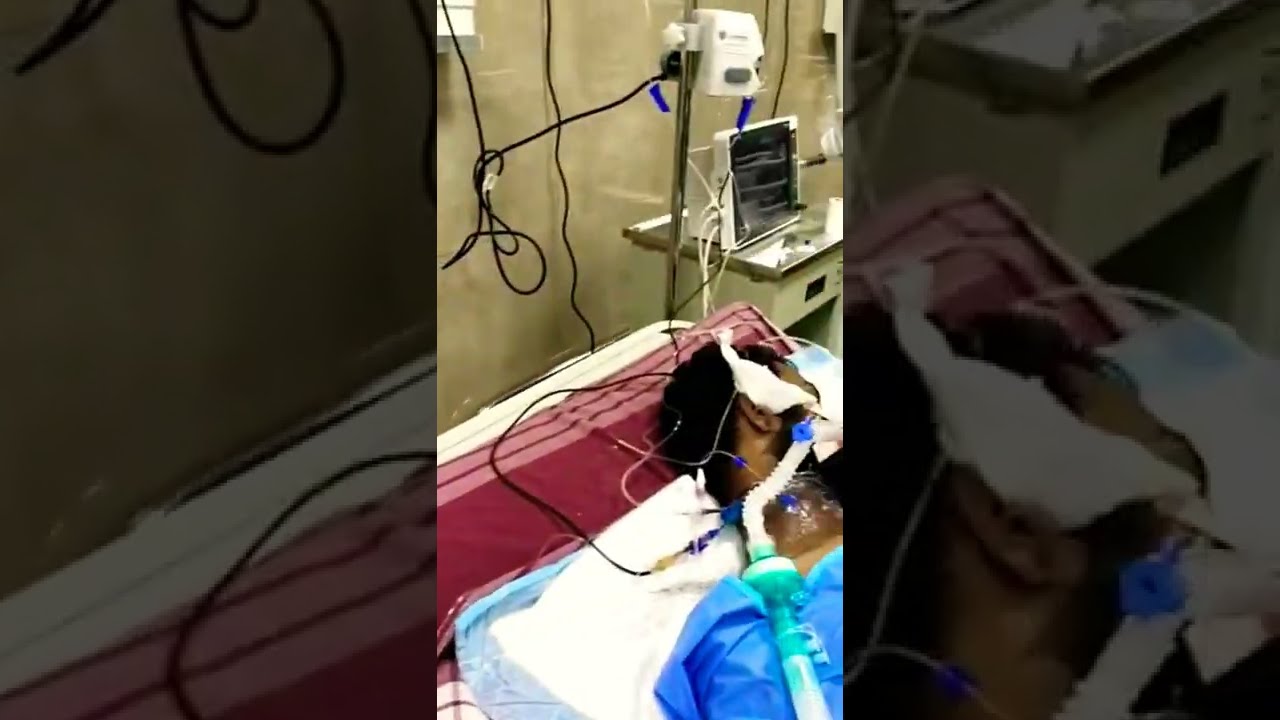


Essential Ventilator Training for Registered Nurses: Enhancing Patient Care
Nurses have a pivotal role in handling patients on mechanical ventilation. The intricacy of ventilators and the physiological effects of their use necessitate a robust understanding amongst taking care of team. By engaging in ventilation training, nurses can come to be skilled at translating ventilator setups and reacting to modifications in people' conditions promptly.
Understanding Ventilators: A Beginner's Guide
What is a Ventilator?
A ventilator is a mechanical tool made to assist or change spontaneous breathing by supplying oxygen-rich air into the lungs. It is critical in situations where individuals can not take a breath appropriately on their own due to various clinical problems, including breathing failing or neurological impairments.
How Do Ventilators Work?
Ventilators run via numerous modes that readjust airflow based upon the patient's needs. Comprehending these modes-- such as Assist-Control (AIR CONDITIONING), Synchronized Intermittent Compulsory Ventilation (SIMV), or Pressure Support Air Flow (PSV)-- is crucial for reliable patient care.
The Importance of Comprehensive Ventilator Training Courses
Why Invest in Training?
Investing time and resources into a basic ventilator course supplies nurses with foundational understanding needed for risk-free and effective individual care. The complexities associated with utilizing ventilators necessitate specialized education that goes beyond basic nursing training.
Types of Ventilation Training Programs Available
Basic Ventilator Course Advanced Ventilation Training NDIS Ventilation Training Course Specialized Air passage Monitoring CoursesBy joining these courses, registered nurses can refine their abilities in determining problems associated with mechanical air flow, readjusting settings properly, and executing emergency methods when required.
Key Components of Effective Respiratory Tract Management
Principles of Respiratory tract Administration and Ventilation
Airway management includes preserving an open airway to make sure appropriate airflow during air flow procedures. Registered nurses should be proficient in numerous air passage techniques and comprehend prospective issues related to air passage obstruction.
Tracheostomy and Its Duty in Ventilator Management
What is Tracheostomy?
A tracheostomy is an operation that creates an opening via the neck right into the windpipe (trachea) to facilitate breathing when conventional techniques are inadequate.
Challenges Connected with Tracheostomy Care
in-person ventilator trainingManaging a tracheostomy calls for specific abilities and knowledge relating to tube upkeep, sucking techniques, humidification requirements, and monitoring for signs of infection or displacement.
Advanced Ideas: Understanding Mechanical Ventilation Modes
Assist-Control Setting vs. SIMV Mode
One key facet of ventilator administration includes comprehending different settings such as Assist-Control (A/C) versus Synchronized Periodic Mandatory Air Flow (SIMV).
- In air conditioning mode, every breath taken by the client activates a collection quantity or pressure from the ventilator. Conversely, SIMV allows clients to breathe spontaneously between machine-delivered breaths.
This distinction can fundamentally influence individual convenience and healing rates.
Ventilator Pressure Assistance: A Vital Component in Individual Care
What is Ventilator Stress Support?
Ventilator pressure assistance refers to a mode where the machine aids each breath launched by the client approximately a predetermined pressure degree without supplying a determined tidal volume.
Benefits of Making use of Pressure Assistance Mode
- Reduced work of breathing Improved oxygenation Enhanced client comfort
Understanding exactly how to execute this setting effectively can lead to better clinical outcomes for patients calling for mechanical ventilation.
Best Practices for Checking Clients on Mechanical Ventilation
Monitoring individuals on mechanical air flow entails regular analysis utilizing different parameters:
Arterial blood gases (ABGs) End-tidal CO2 levels Respiratory rate Oxygen saturation levelsBeing watchful about these metrics makes it possible for registered nurses to discover any type of damage early and interfere accordingly.
FAQs
1. What credentials do I require for ventilator training?
To register in a lot of ventilation training courses, you commonly require to be an accredited nurse or medical care professional with fundamental life support certification.
2. The length of time does it take to complete a standard ventilator course?
Most standard ventilator programs range from eventually to numerous weeks depending on the organization using them; nonetheless, they often include both theoretical discovering and hands-on technique sessions.
3. Is there recurring education and learning called for after initial training?
Yes, continuous education is essential since innovation develops rapidly within healthcare setups; correspondence course help preserve proficiency degrees amongst nursing staff.
4. Can I do tracheostomy care without specialized training?
While fundamental nursing skills may allow you some level of involvement with tracheostomy care, specialized training guarantees you understand all risks connected with it comprehensively.
5. What must I do if an individual's condition wears away while on a vent?
If you notice signs indicating degrading condition-- such as increased respiratory system distress-- you should evaluate important signs quickly while alerting your healthcare team for intervention according method developed at your facility.
6. Just how do I pick which ventilation training course is appropriate for me?
Consider your existing ability level, the certain difficulties dealt with at your office pertaining to mechanically ventilated clients' requirements; signing up according those requirements will yield much better educational end results customized in the direction of enhancing client treatment capabilities effectively!
Conclusion
In final thought, understanding mechanical ventilation via proper training programs gears up nurses with important devices needed for offering high-grade client care throughout defining moments when respiratory system assistance ends up being needed! Engaging proactively with proceeding education and learning possibilities guarantees that they maintain competencies while adapting ideal techniques within vibrant health care environments! Investing time into learning about innovative ideas like tracheostomy management along with basic concepts enhances confidence levels dramatically leading ultimately in the direction of enhanced medical end results overall!
By concentrating on improving their understanding pertaining to necessary elements connected directly back towards "Crucial Ventilator Training for Nurses: Enhancing Individual Care," we pave pathways onward towards quality across our profession helping Informative post us serve those left right into our hands much better each and every single day!