Introduction
Dysphagia, or problem ingesting, is a typical condition that affects people throughout different age groups, especially the elderly and those with neurological problems. The implications of dysphagia can be severe, bring about malnutrition, dehydration, and goal pneumonia, which significantly increases morbidity and mortality prices. In treatment settings-- be it taking care of homes, helped living facilities, or home healthcare-- appropriate dysphagia monitoring is critical. This write-up explores the extensive effect of dysphagia training for carers, focusing on just how such training produces more secure environments in care settings.
Understanding and executing effective dysphagia care not only boosts patient security however likewise boosts general lifestyle for locals and clients. In this extensive guide, we will certainly delve into the significance of dysphagia training for care staff, the kinds of dysphagia training courses available, and the advantages they supply to both caregivers and those they serve.
What is Dysphagia?
Dysphagia describes problems in swallowing that can develop from different causes-- including neurological problems such as stroke or Parkinson's illness, muscle conditions, and architectural irregularities. The scientific manifestations can vary from moderate discomfort while consuming to severe choking episodes that present serious risks.
Types of Dysphagia
- Oropharyngeal Dysphagia: This kind occurs when there are issues in the mouth or throat that impede swallowing. Esophageal Dysphagia: This kind includes troubles in the esophagus itself.
Understanding these distinctions is crucial for caregivers as it notifies their strategy to dysphagia management.
Symptoms of Dysphagia
Common symptoms consist of:
- Difficulty initiating a swallow Coughing or choking throughout meals Sensation of food obtaining stuck in the throat Frequent heartburn or regurgitation
Awareness of these signs and symptoms encourages caretakers to act swiftly and efficiently when they arise.
Why is Dysphagia Training Important for Treatment Staff?
The function of treatment staff is essential in managing dysphagic people properly. Proper training furnishes them with skills required to recognize signs and symptoms early, execute safe feeding strategies, and respond promptly during emergencies.
Enhancing Person Safety
One substantial advantage of dysphagia training for nurses and carers is the improvement of patient security. Equipped with understanding regarding risk-free swallowing methods and nutritional alterations, staff members can minimize the threat of ambition-- which takes place when food or fluid gets in the air passage-- and its connected complications.

Improving Top quality of Life
Training cultivates a much better understanding of private nutritional needs among individuals with dysphagia. When caretakers are well-informed concerning suitable dysphagia training for care staff food structures and consistencies, they can provide meals that meet patients' dietary needs while being secure to consume.
Legal Compliance
In several areas, treatment suppliers have to comply with standards relating to dysphagia monitoring. Participating in thorough dysphagia care training makes sure that facilities meet these legal obligations while safeguarding their reputation.
Components of Reliable Dysphagia Training Courses
A well-shaped dysphagia training course incorporates numerous key elements designed to furnish caregivers effectively:
1. Understanding Makeup and Physiology
A vital part of any type of dysphagia course includes education on human composition related to ingesting. Knowledge about how various muscle mass work together throughout swallowing makes it possible for staff members to understand what may go wrong when a person has actually dysphagia.
2. Recognizing Indicators and Symptoms
Training gives caretakers with detailed information on indications a measure of dysphagic episodes. This skill allows them to spot issues beforehand prior to they escalate right into severe problems.
3. Safe Feeding Techniques
Courses must cover methods such as positioning clients appropriately throughout dishes (e.g., sitting upright) and utilizing adaptive tools if necessary.
4. Dietary Modifications
Understanding just how to change food appearances-- such as blending foods or enlarging fluids-- is important understanding for carers that prepare dishes for individuals with differing degrees of ingesting difficulty.

Types of Dysphagia Training Available
There are numerous formats whereby people can receive dysphagia training:
Online Courses
With advancements in modern technology, several establishments currently use on-line programs focusing on different aspects of dysphagia care. These courses normally include interactive components that enable individuals to learn at their very own pace.
In-Person Workshops
Hands-on workshops enable participants to practice feeding techniques under supervision from qualified trainers. Such experiential learning chances enhance retention rates contrasted to standard classroom settings alone.
Certification Programs
For those seeking formal acknowledgment in this field, certification programs are available that culminate in assessments confirming competency degrees amongst students-- enhancing trustworthiness within professional networks.
Creating More secure Settings: The Influence of Dysphagia Training in Treatment Settings
Creating much safer settings requires an aggressive strategy towards making certain all personnel have adequate expertise regarding administration approaches connected with dysphagic problems.
By investing time into detailed dysphagia training courses tailored especially toward healthcare specialists' needs-- such as specific sessions targeted at nurses-- the whole caregiving environment advantages immensely; not only do locals experience enhanced safety yet additionally improved psychological health and wellbeing originating from effective dish experiences devoid of stress and anxiety bordering potential choking incidents!
Benefits Past Safety and security: Emotional Aspects
While physical safety and security stays a primary focus within any type of conversation bordering efficient caregiver education and learning programs targeting individuals experiencing problems related particularly in the direction of ingesting concerns-- it's additionally essential not ignore mental effects coming from these situations too!
1) Minimizing Stress And Anxiety Levels
Families frequently fret about their loved ones dealing with swallowing troubles; understanding qualified specialists take care of such scenarios minimizes stress and anxiety degrees dramatically!
2) Enhancing Social Engagement
Sharing dishes becomes more comfy when caretakers with confidence take care of prospective complications related to feeding processes! This increased confidence motivates social interactions among citizens cultivating community bonds over shared eating experiences!
FAQ Section
Q1: What is included in a normal dysphagia training course? A: A typical course includes composition education, signs and symptom acknowledgment strategies, safe feeding techniques, dietary alterations assistance, in addition to hands-on method possibilities via simulations or role-playing scenarios.
Q2: Who ought to go through dysphagia training? A: All employees associated with straight patient treatment-- consisting of nurses, nursing assistants, occupational therapists-- should undertake this specialized training due its crucial relevance towards preserving resident wellbeing!
Q3: How often need to staff restore their dysphagia training? A: It's advised organizations set up refresher courses each year considering that standards concerning best practices progress consistently based upon recurring research study findings!
Q4: Can family members take advantage of understanding dyspahgia monitoring techniques? A: Absolutely! Giving family members educational resources equip them also play helpful functions outside institutional settings enhancing overall quality-of-life experiences!
Q5: Is there a particular age extra affected by dysplasia? A: While individuals throughout any age teams may experience some form(s) related specifically towards ingesting difficulties-- the elderly population has a tendency face increased threats mainly due underlying health concerns impacting musculature involved therein!
Q6: Exactly how does one locate recognized dypshgia fitness instructor programs? A: Study reputable expert companies specializing within allied wellness areas like speech-language pathology commonly use suggestions pertaining approved recurring education opportunities!
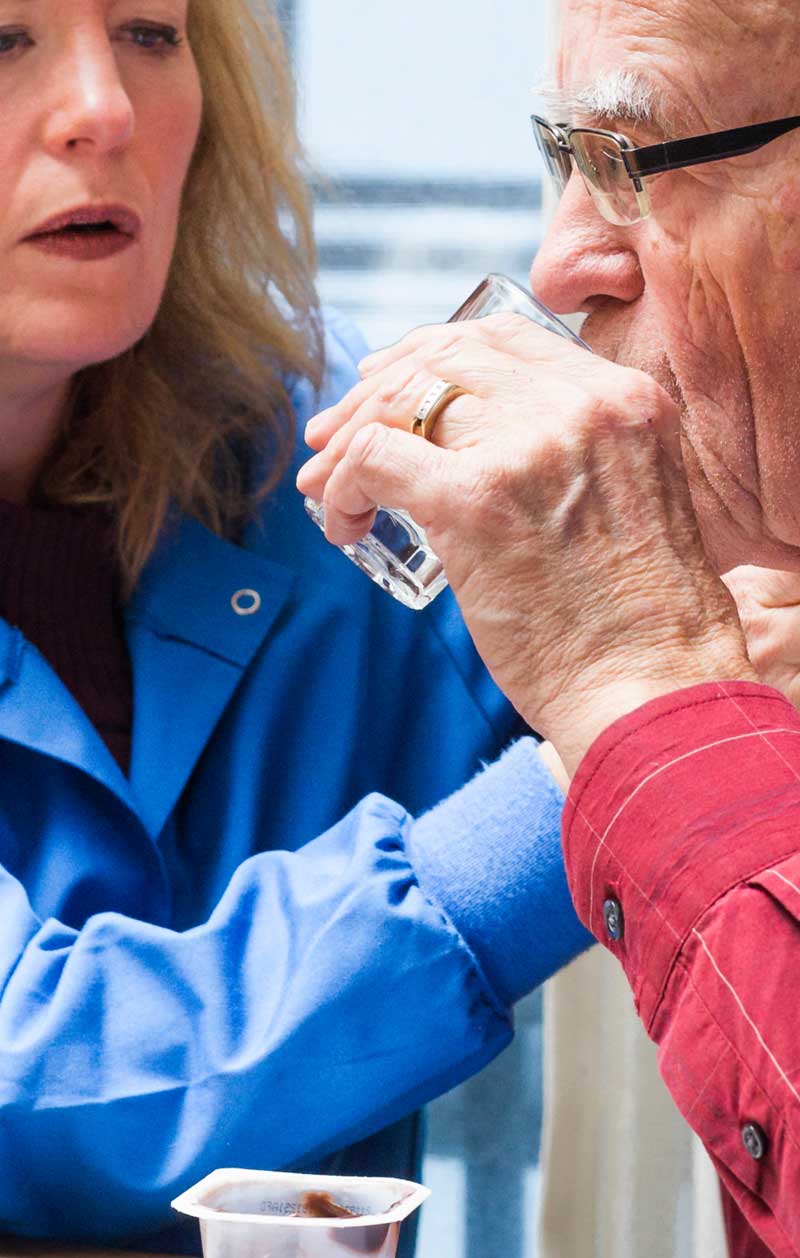
Conclusion
In summary, producing safer atmospheres with efficient dysphgia training in treatment settings can not be overstated! By focusing on education and learning tailored especially towards dealing with obstacles dealt with by those experiencing troubles while taking in food/drink-- we guard susceptible populaces against preventable problems emerging therein!
Ultimately investing sources into comprehensive dsyhpgia support initiatives not only boosts patient security yet fosters all natural renovations throughout every aspect connected caregiving duties therefore improving lives all around!
This post encapsulates a comprehensive expedition into how dysaphgia understanding amongst caretakers makes certain excellence within everyday operational structures inevitably resulting favorable outcomes throughout varied healthcare landscapes!